• Skip to main content

Herbal Plant Guide

Just another WordPress site

  • Plants & Mushrooms
    • All Categories
    • Herbs & Spices
    • Fungi
    • Mushrooms
    • Fruits
    • Vegetables
    • Trees
    • Weeds
    • Poisonous
    • Psychoactive
  • Health
    • Illness & Disease
    • Body Part
    • Vitamins & Minerals
  • Chemical Compounds
  • Safety
    • Toxic Plants for Dogs, Cats, and Horses
  • Sources
    • Source Books
  • Index
    • Common Name
    • Scientific Latin Name
    • Family Name
    • Part Used
  • Blog
    • Beauty and Skincare
    • Taxonomy Classification
Vegetables › Artichoke

Artichoke

Globe Artichoke, Green Globe

Cynara scolymus

Asteraceae (Daisy/Sunflower family)

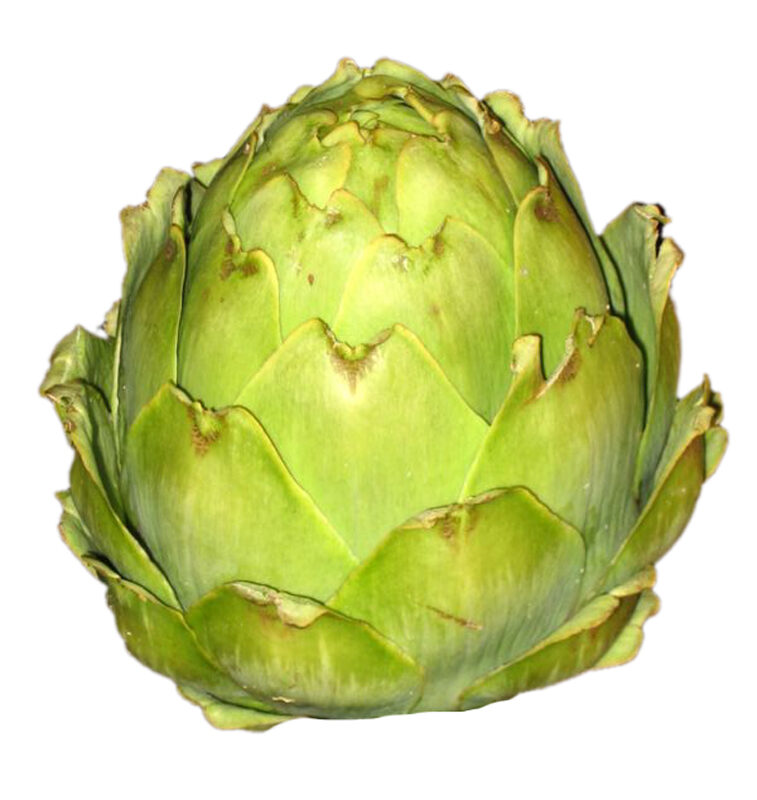
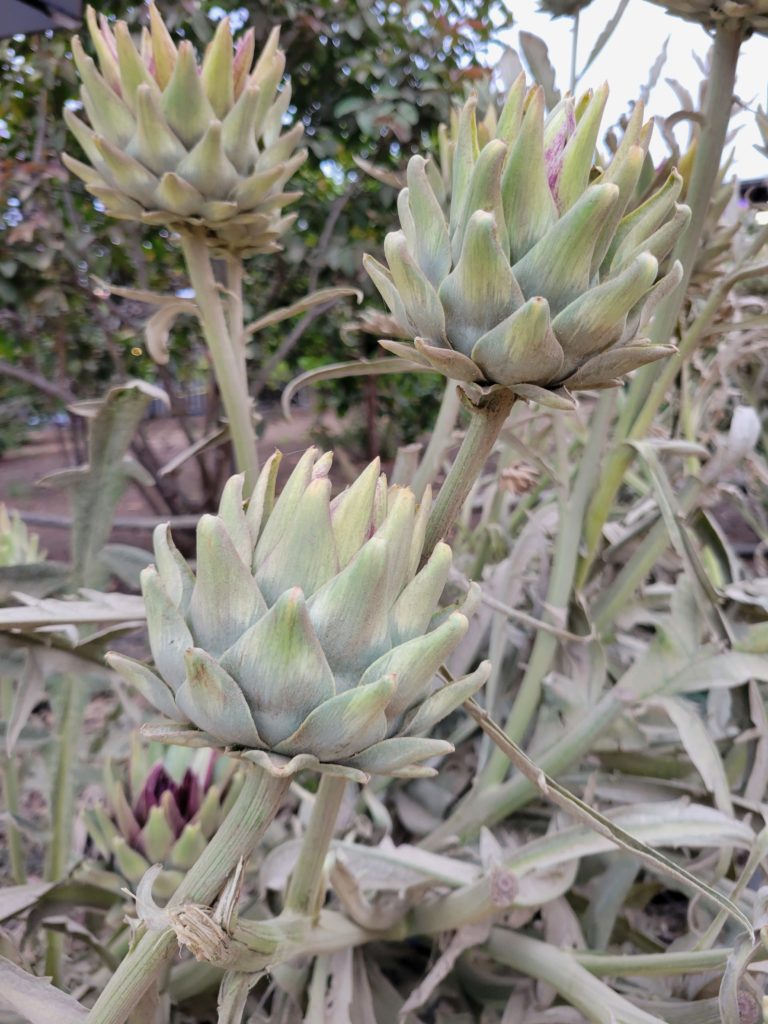
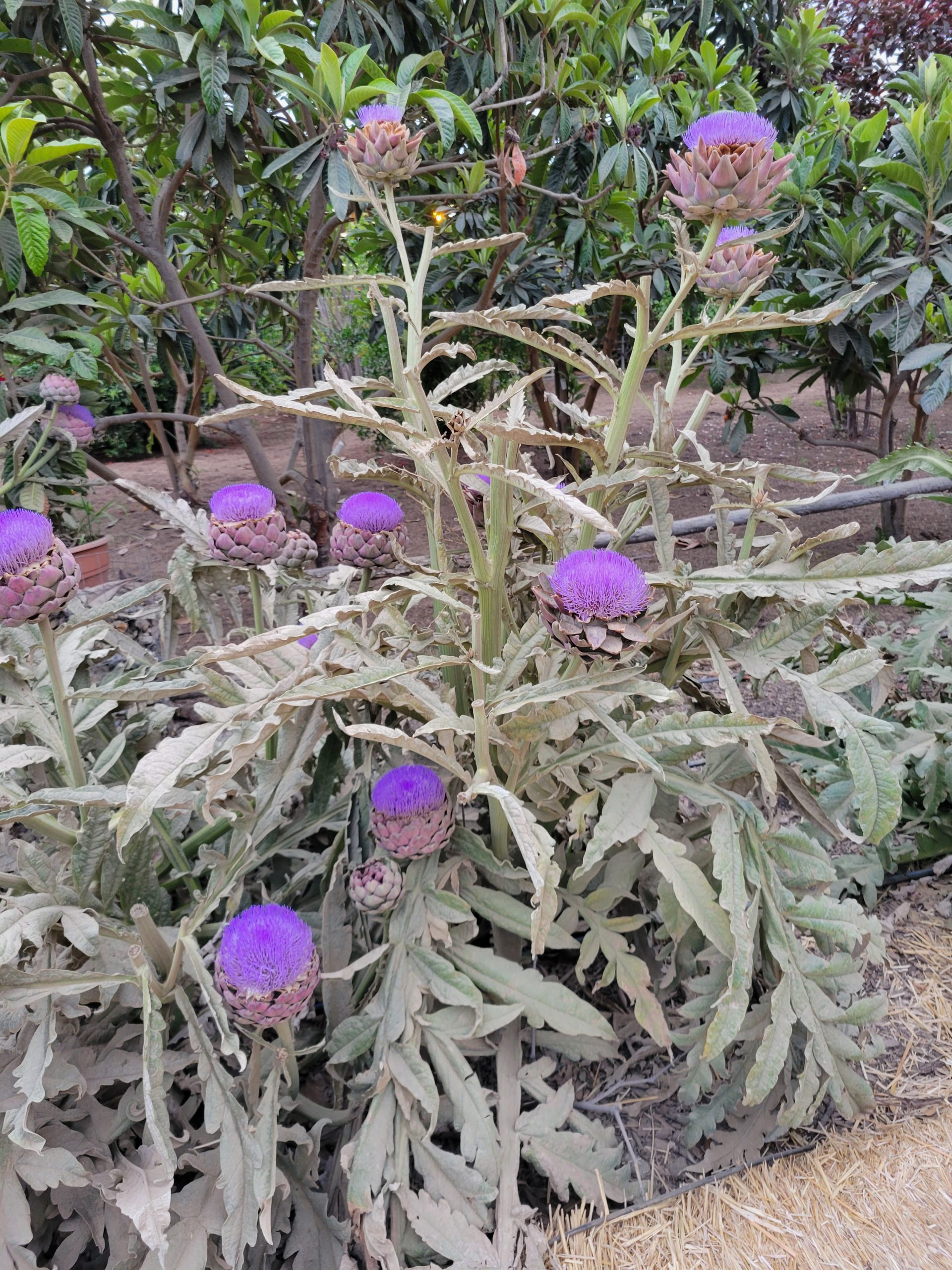
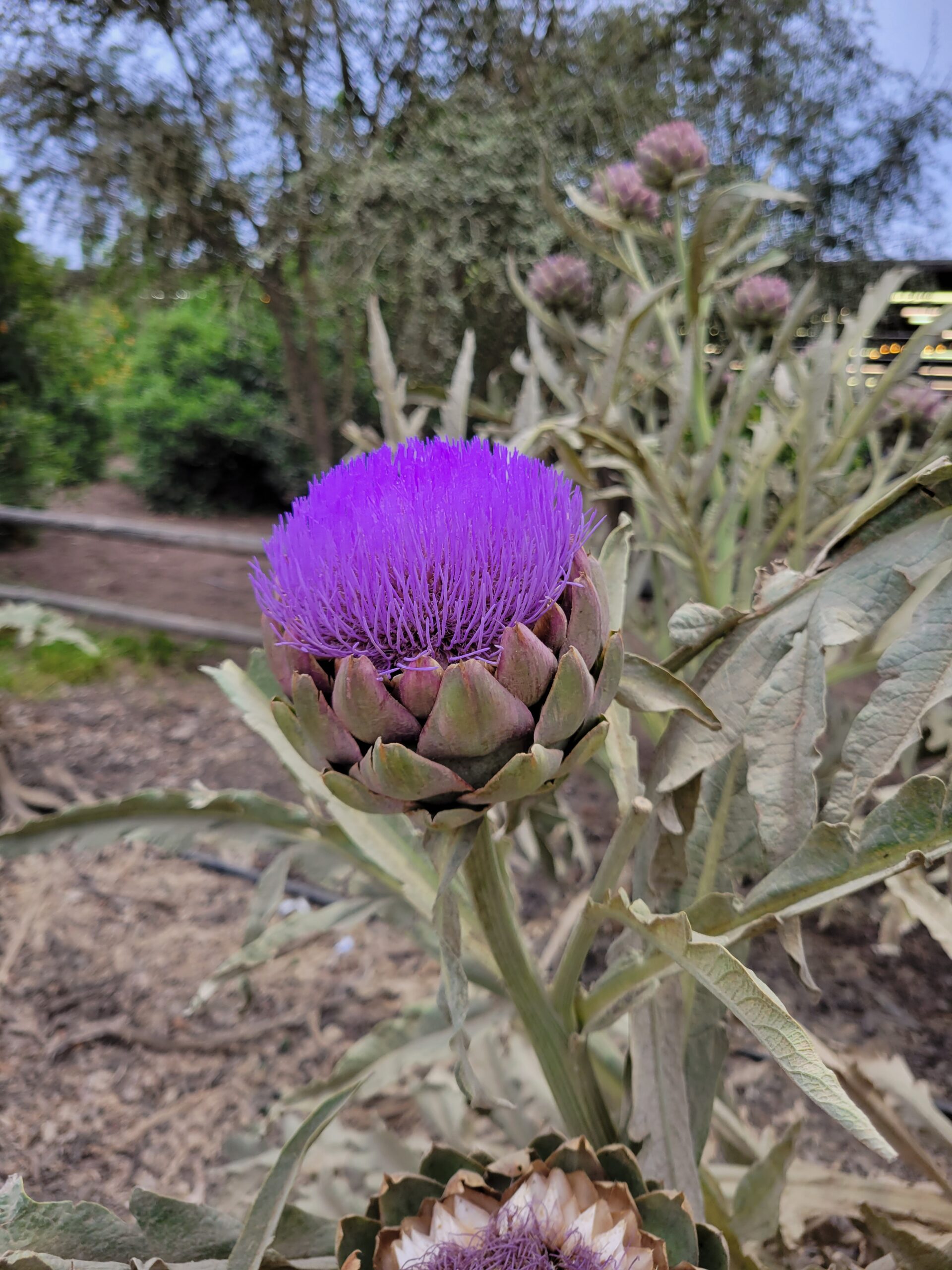
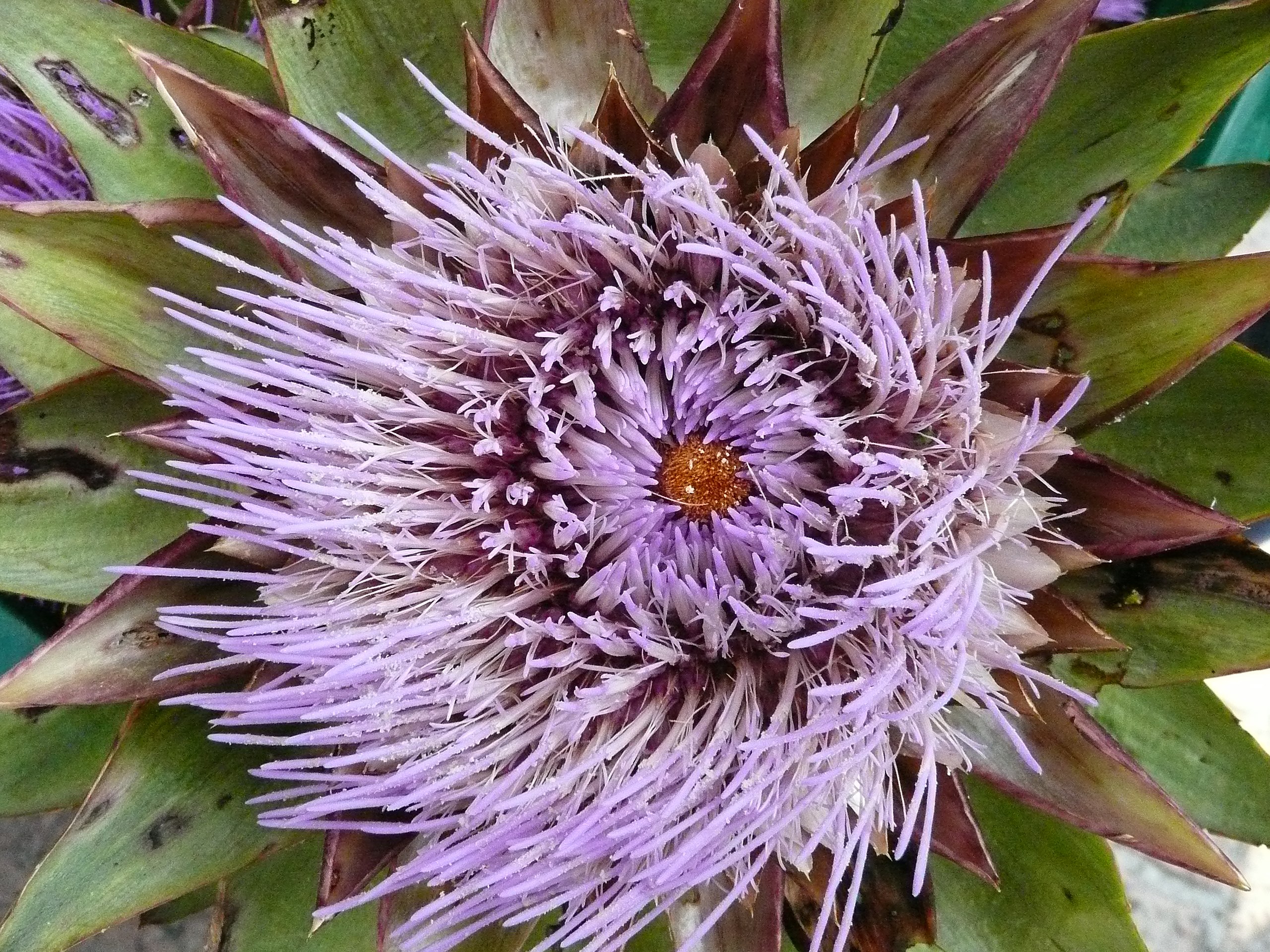
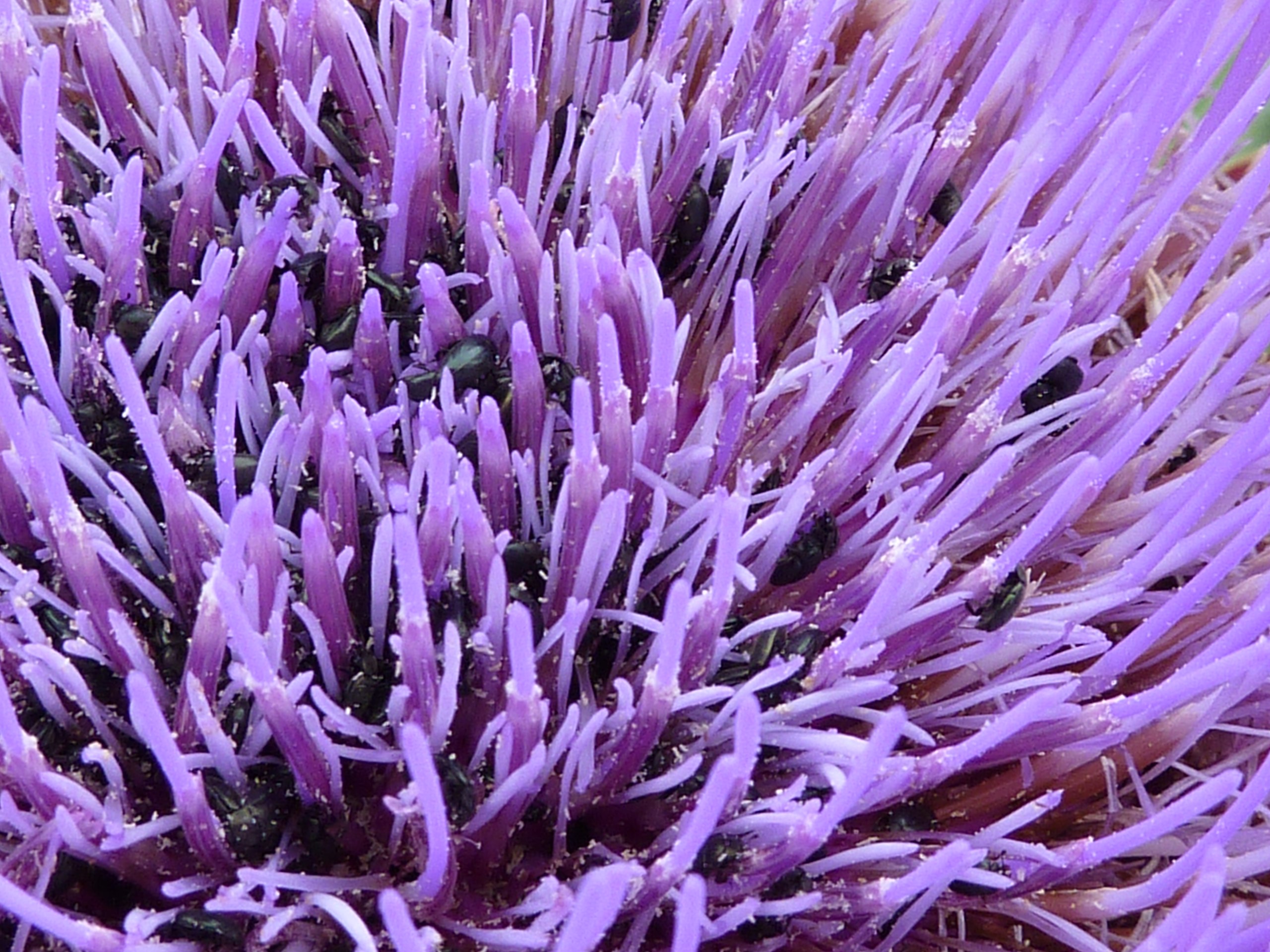
  • artichoke-cynara-scolymus-cardunculus-plant-flower
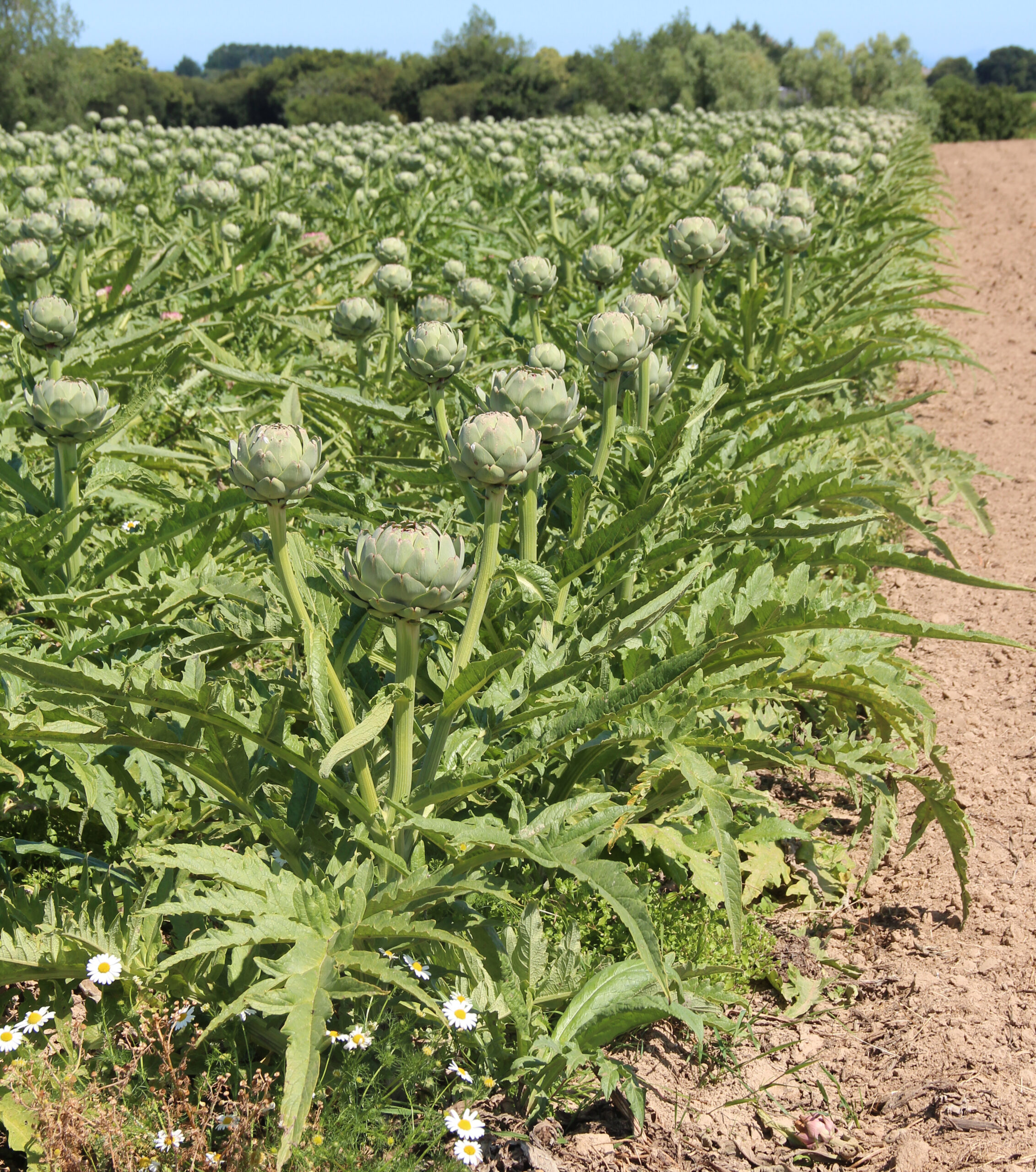
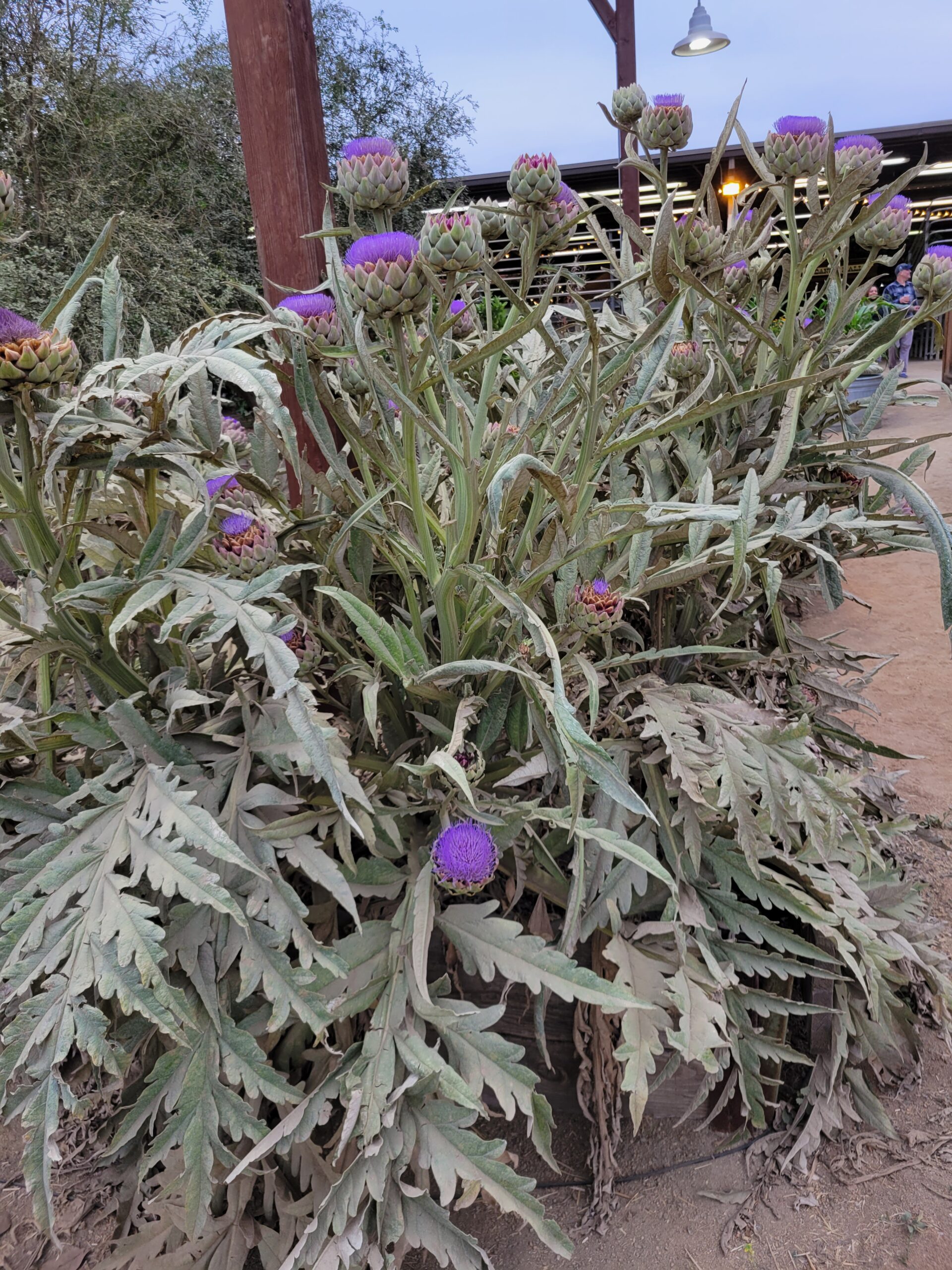
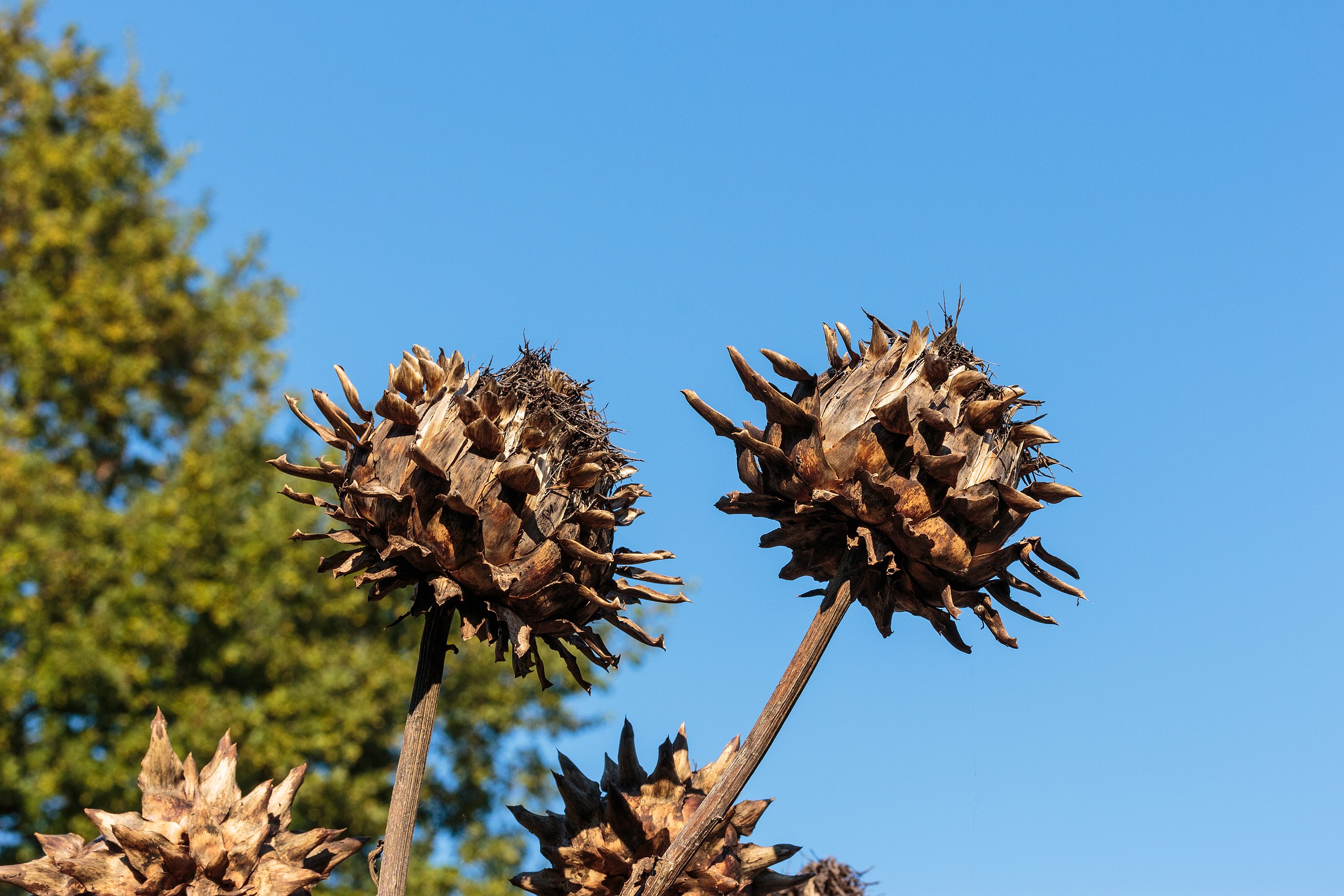
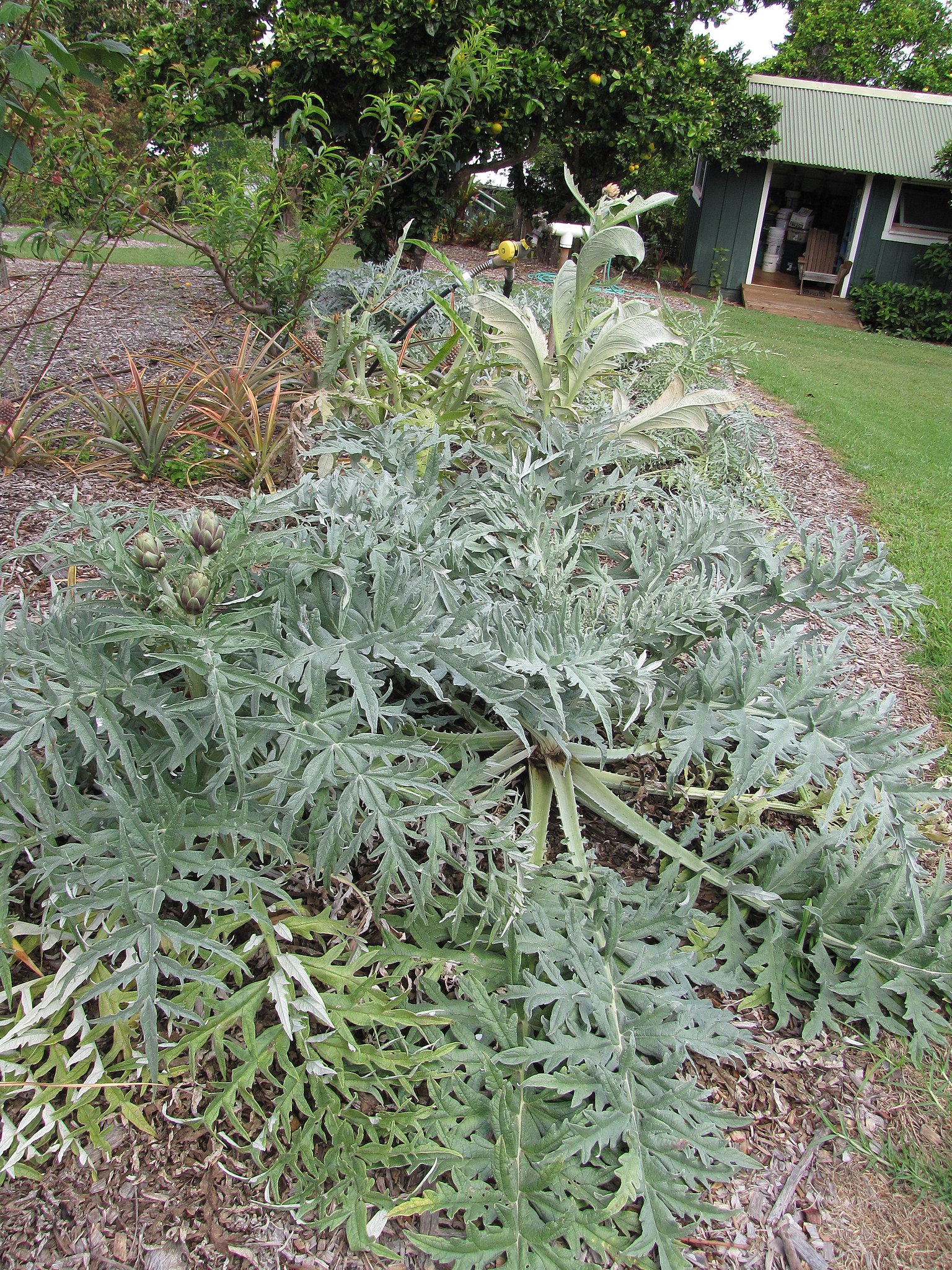
  • artichoke-cynara-scolymus-cardunculus-plant
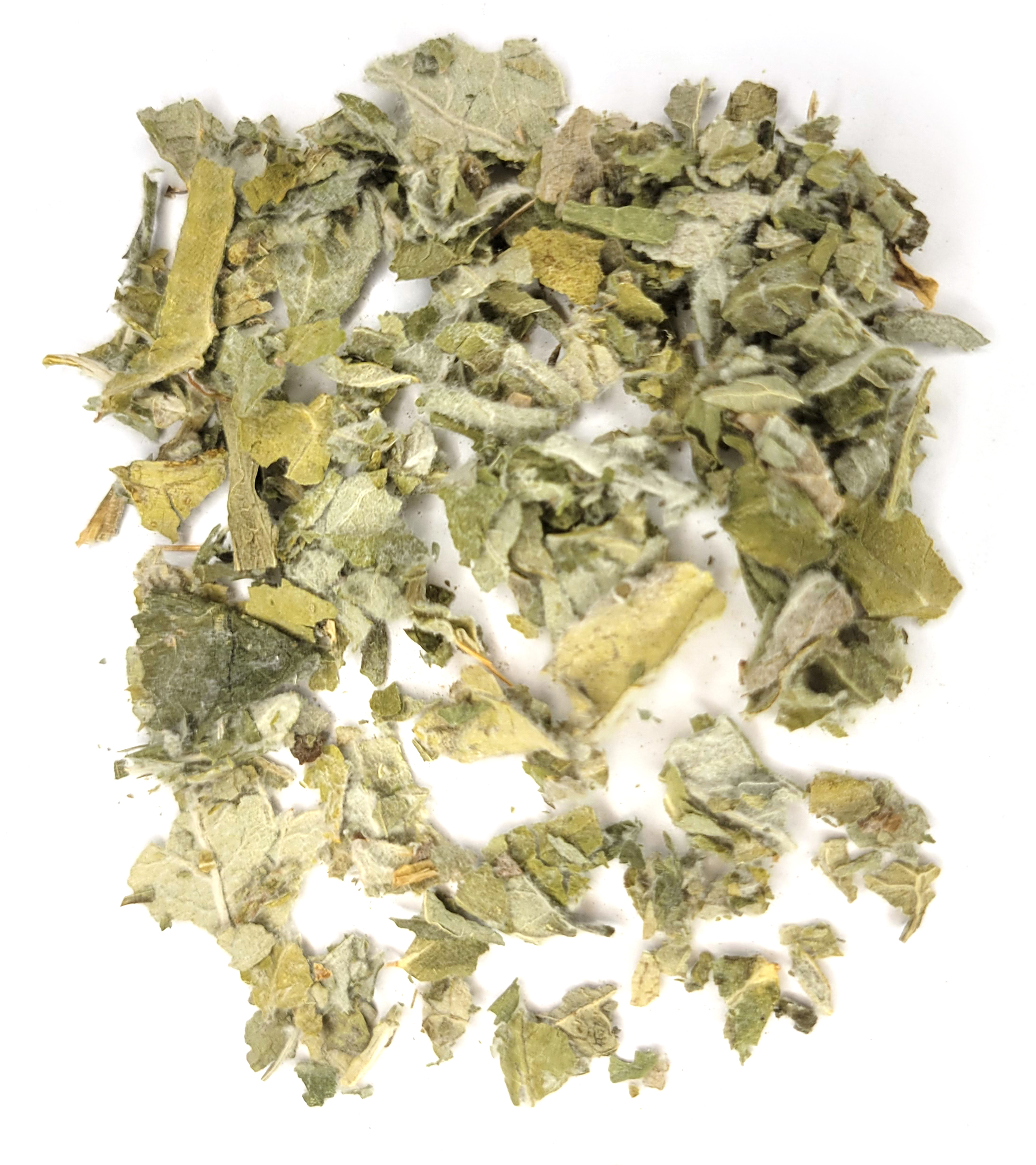
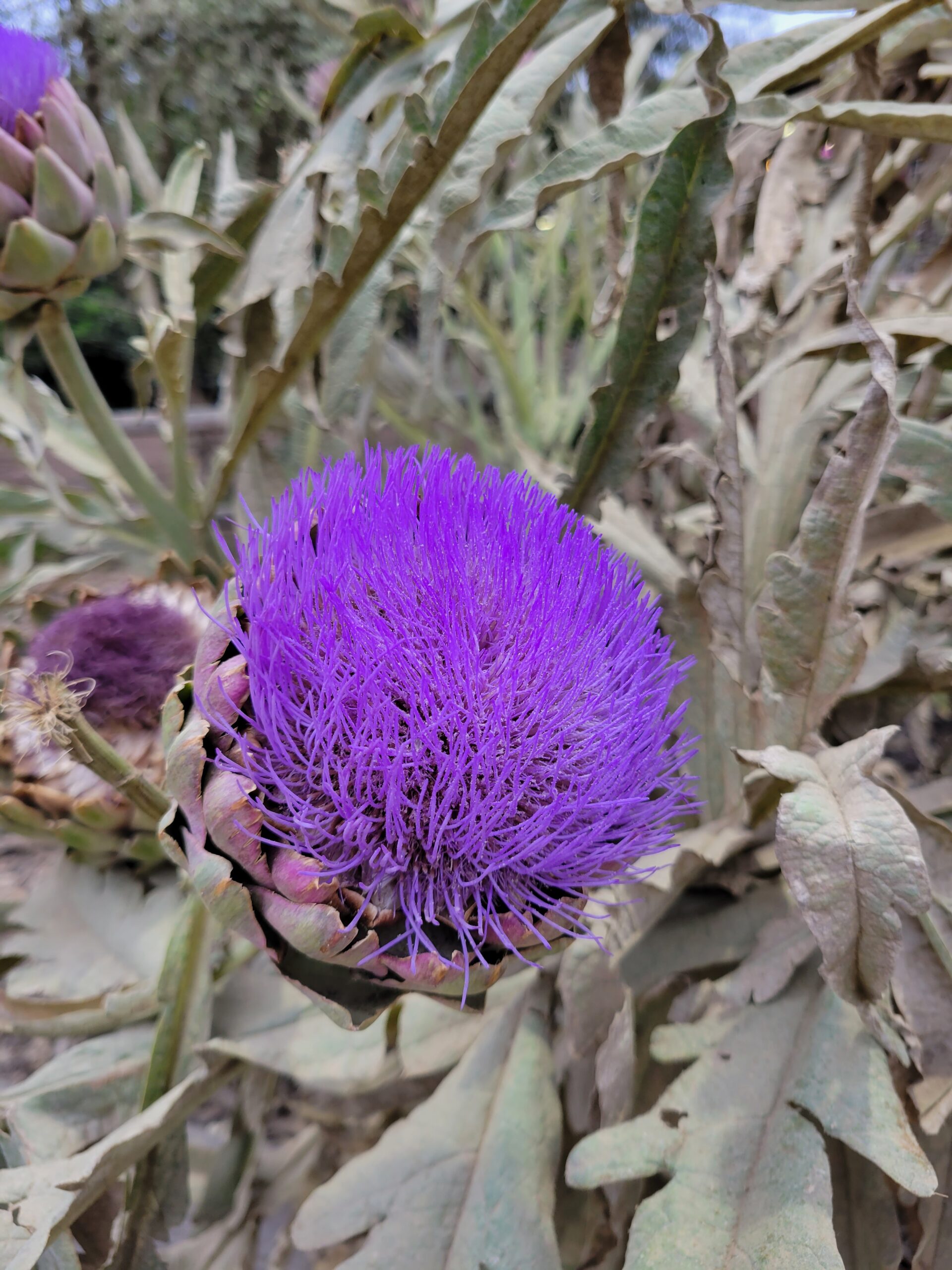
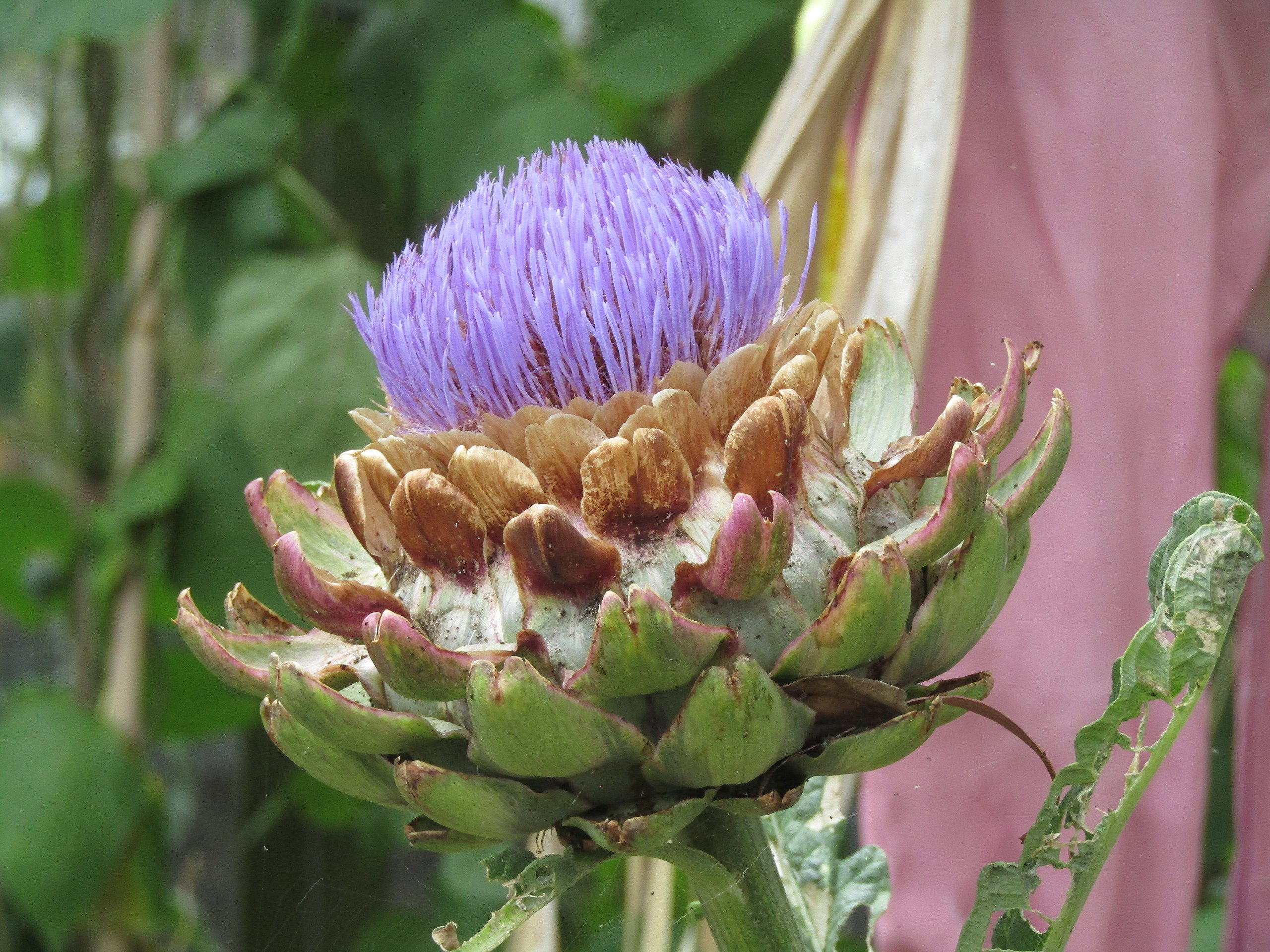
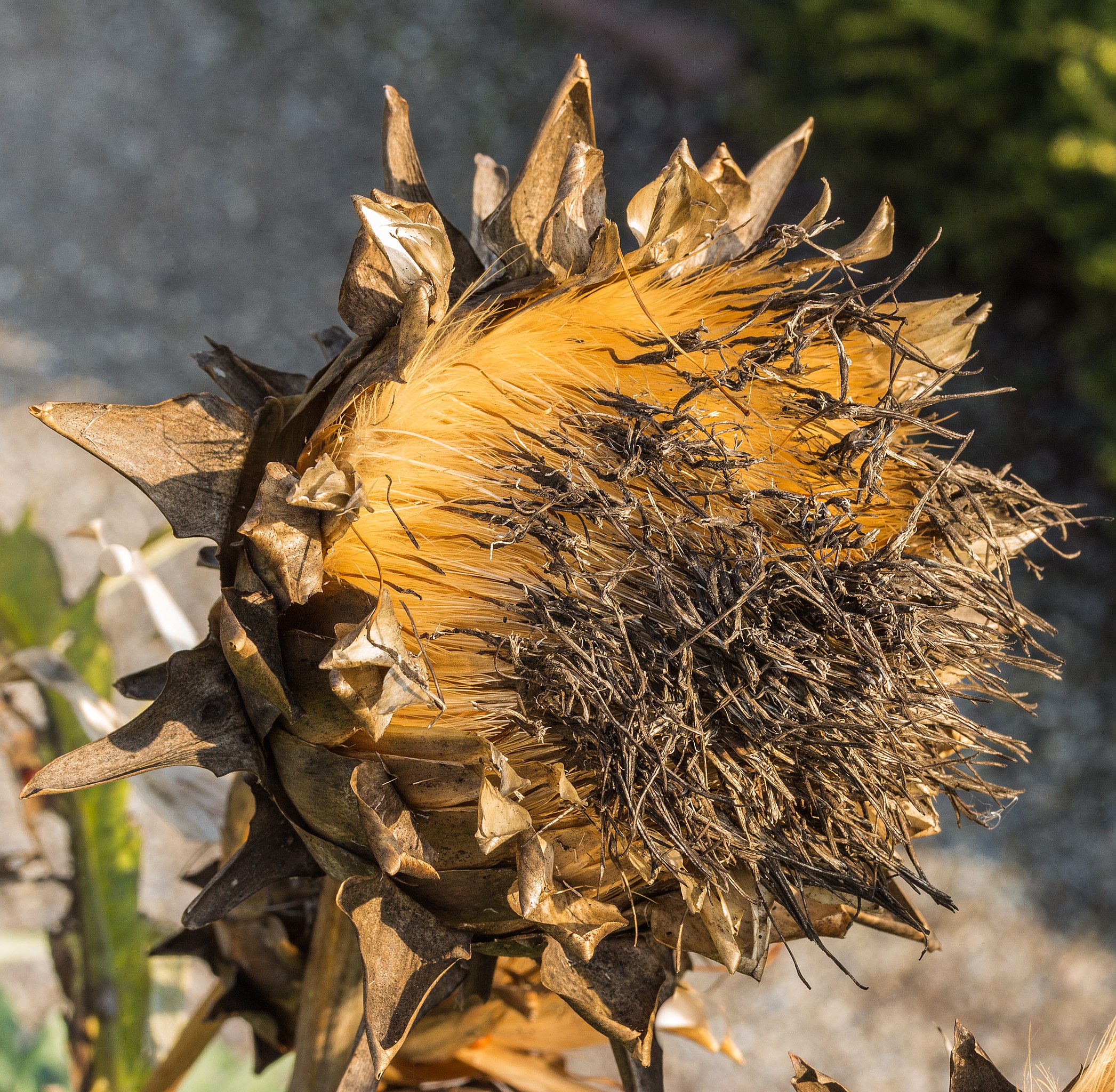
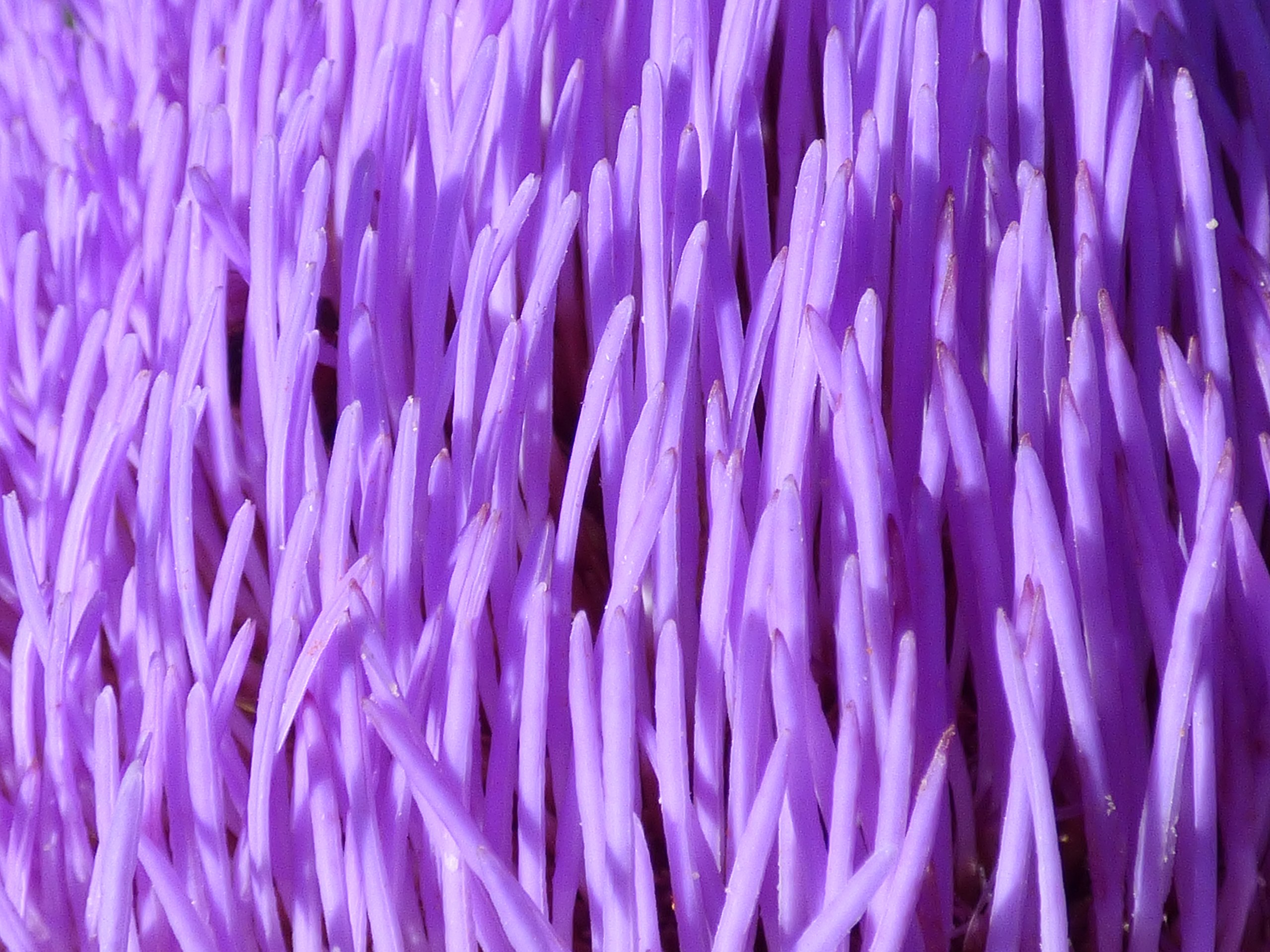
  • artichoke-cynara-scolymus-cardunculus-plant-2
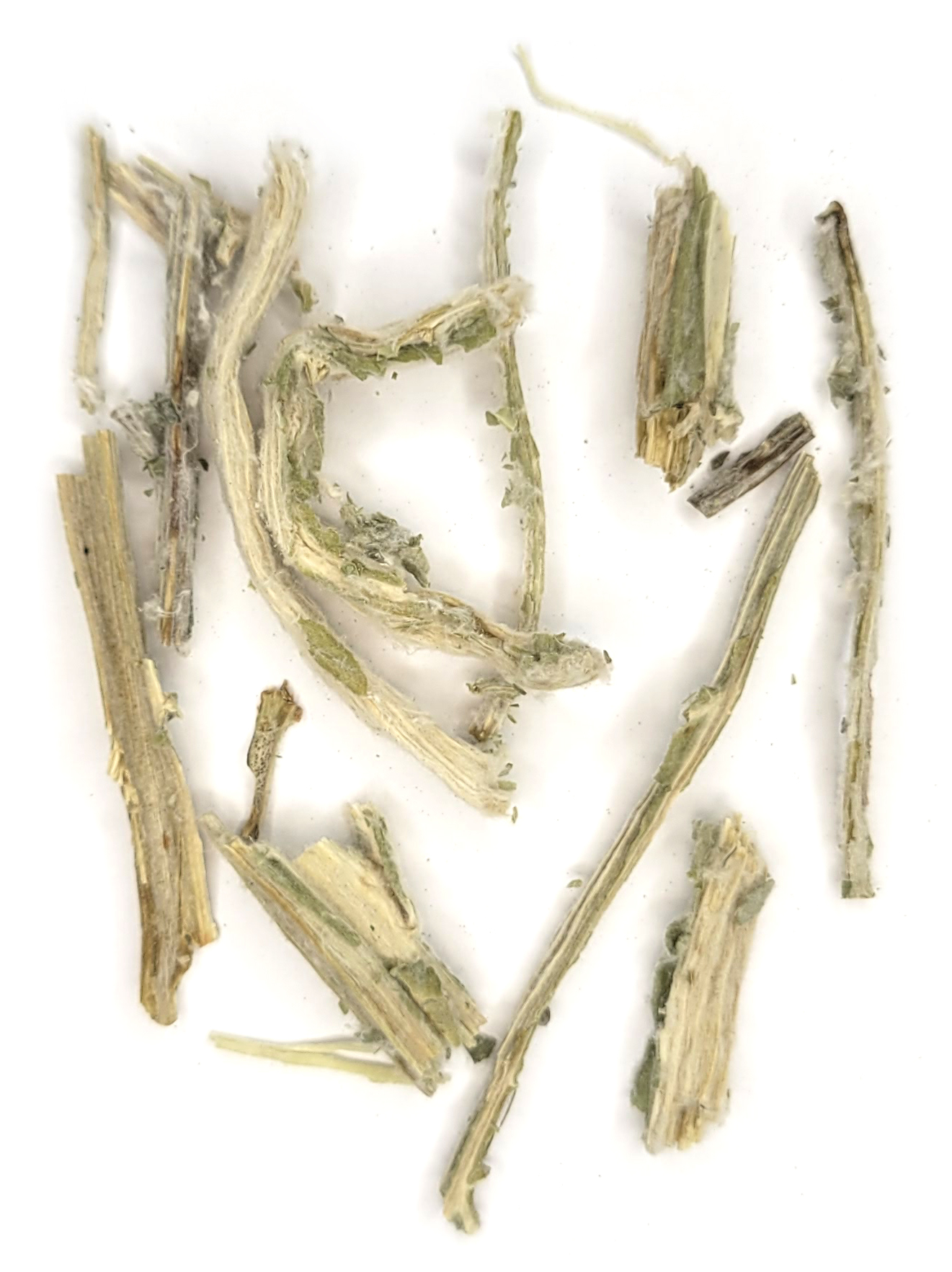
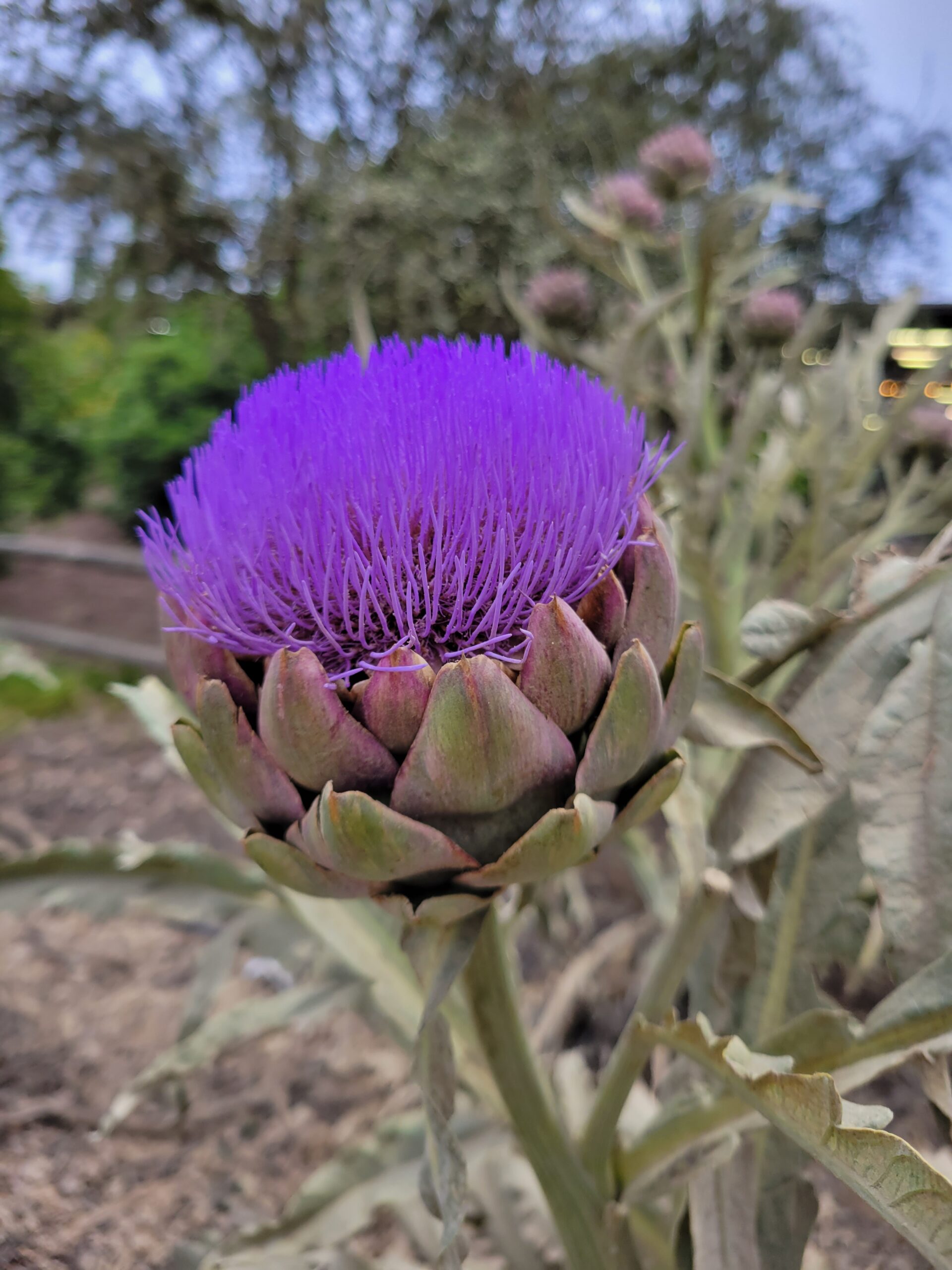
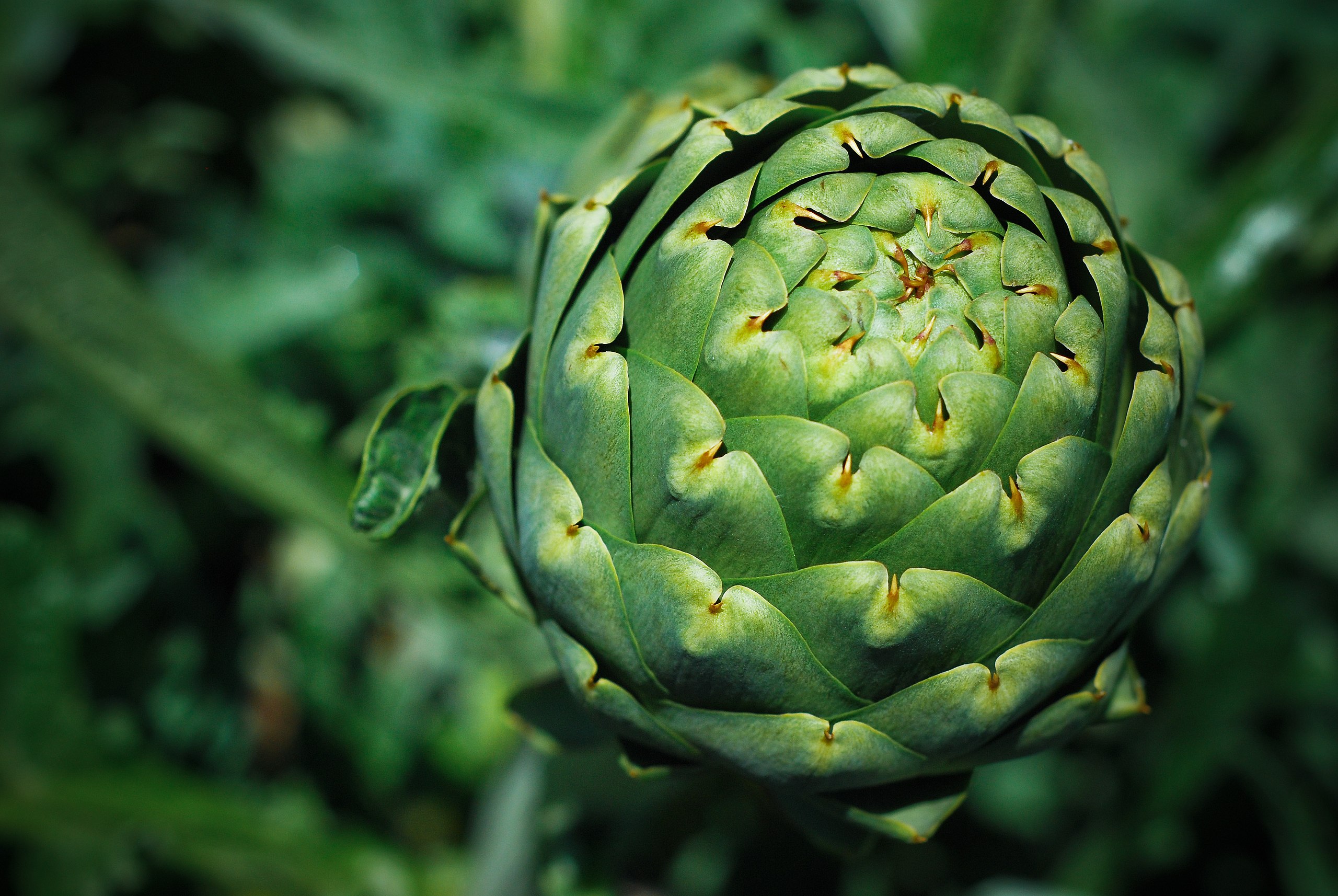
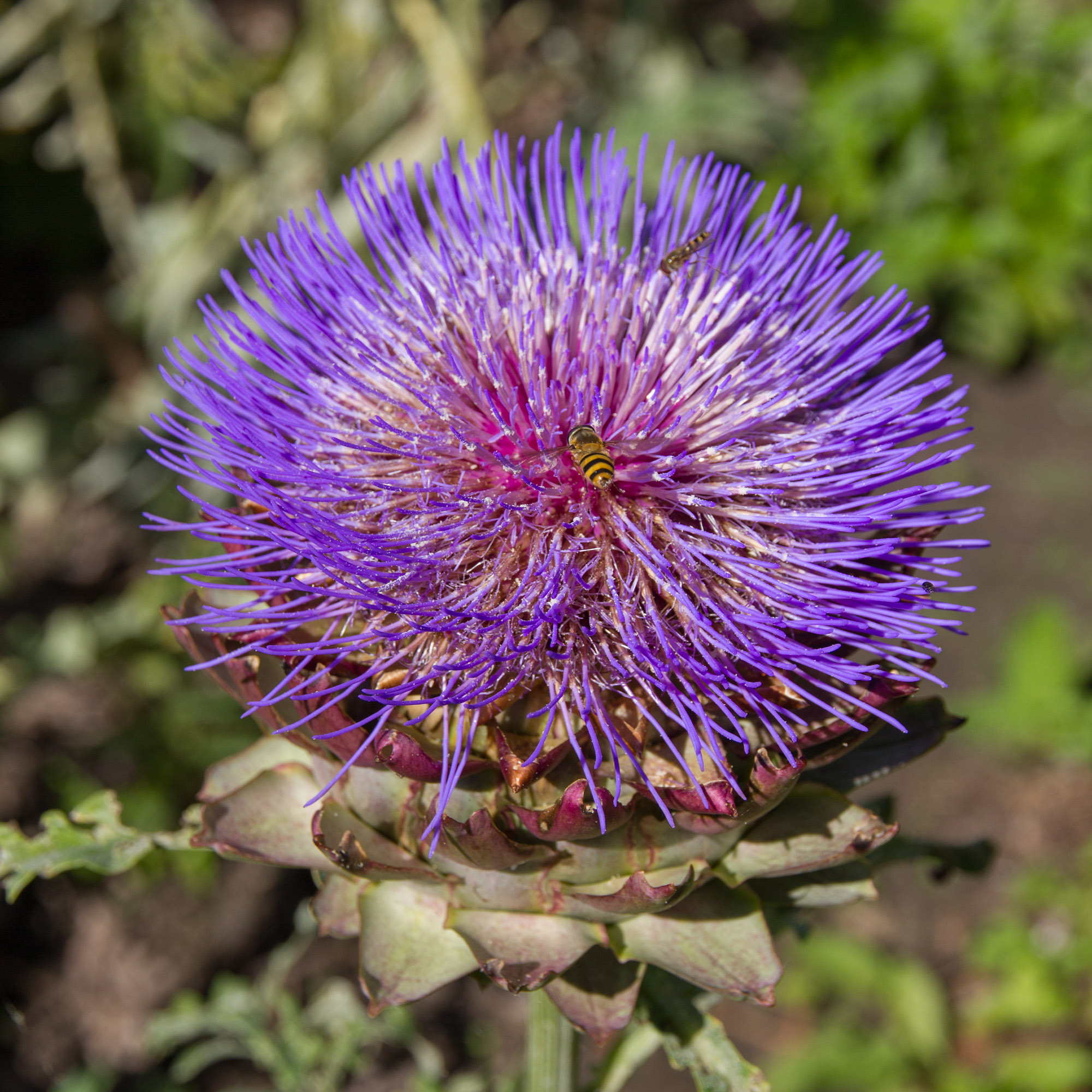
  • artichoke-cynara-scolymus-cardunculus-plant
View More Photos
  • herbs icon
    Herbs
  • vegetables icon
    Vegetables

Health Benefits of Artichoke

Illness & Disease:

  • Diabetes

  • IBS Irritable Bowel Syndrome

View All Illness & Diseases

Your Body:

  • Liver

  • Skin

View All Body Part Selections

Effects/Herbal Actions of Artichoke

  • Anticholesteremic

    helps lower cholesterol

  • Antimicrobial

    kill or slow the spread of microorganisms

  • Antioxidant

    can prevent or slow damage to cells

  • Expectorant

    helps you to cough up mucus from your lungs

View all Herbal Actions

Caution

  • Artichoke leaves have spines on leaves

    array(4) { [0]=> string(14) "essential-oils" [1]=> string(14) "teas-infusions" [2]=> string(8) "extracts" [3]=> string(16) "natural-remedies" }

    How to use Artichoke for medicinal Health benefits

    External Applications

    • Essential Oils

      plant extracts

    • Compress

      warm towel wrap

    • Diffuser / Aromatherapy

      ambiance, smells nice

    • Creams / Lotions

      topical skin application

    • Massage Therapy

      aromatic topical skin application

    Internal Consumption

    • Teas / Infusions

    • Extracts

    Parts Used

    • Flower Heads

    • Leaves

    • Stem

    View all parts used

    Nutrition Facts

    Artichoke vitamin and mineral content

    Daily value based on a 2000 diet. Any Daily recomendded values can be found on our nutrition facts page.

    Nutrition Facts Page
    MILI

    Nutrition Facts

    Serving Size 1 Artichoke, medium (128 g)

    Amount Per Serving
    Calories 60.2
    % Daily Value*
    Total Fat 0.192 g 0.2%
    Saturated Fat 0.046 g 0%
    Trans Fat 0 g
    Cholesterol 0 mg 0%
    Sodium 120 mg 5%
    Total Carbohydrate 13.4 g 5%
    Dietary Fiber 6.91 g 25%
    Sugars 1.27 g
    Protein 4.19 g 8%
    Water 109 g Artichoke is 85% water.
    DV %
    • Calcium 56.3 mg
      4.3%
    • Iron 1.6 mg
      9.1%
    • Magnesium 76.8 mg
      18.3%
    • Phosphorus 115 mg
      9.2%
    • Potassium 474 mg
      10.1%
    • Zinc 0.6 mg
      5.7%
    •  

    * Percent Daily Values are based on a 2,000 calorie diet. Your daily values may be higher or lower depending on your calorie needs:

    Artichoke is % water.Nutrition Facts Source

    View More

    Gardening

    How to grow Artichoke for your garden

    Sunlight

    • Full Shade

    • Full Sun

    • Partial Shade

    Watering

    • Dry Soil

    • Moist Soil

    • Well Drained Soil

    Temperature

    -60° F

    to

    70° F

    -51° C

    to

    21° C

    Min

    Max


    Plant Hardiness Zones
    1 to 13
    • Zone 1: -60 to -50 °F

    • Zone 2: -50 to -40 °F

    • Zone 3: -40 to -30 °F

    • Zone 4: -30 to -20 °F

    • Zone 5: -20 to -10 °F

    • Zone 6: -10 to 0 °F

    • Zone 7: 0 to 10 °F

    • Zone 8: 10 to 20 °F

    • Zone 9: 20 to 30 °F

    • Zone 10: 30 to 40 °F

    • Zone 11: 40 to 50 °F

    • Zone 12: 50 to 60 °F

    • Zone 13: 60 to 70 °F

    Artichoke Growing Guide

    Category

    Herbs
    Vegetables

    Lifespan

    • Annual

    • Biennial

    • Perennial

    Best Harvest Time

    • Summer

    • Winter

    View More

    Chemical Compound Constituents
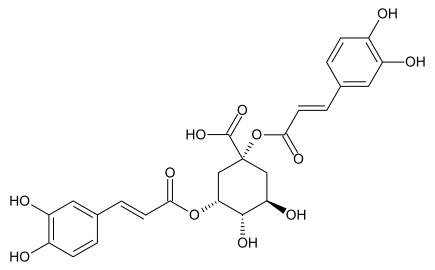
    • cynarine-chemical-compound-formula-structure

      Cynarine

    Other Related Plants

    Similar plants

    Other plants that look like artichoke or are very similar

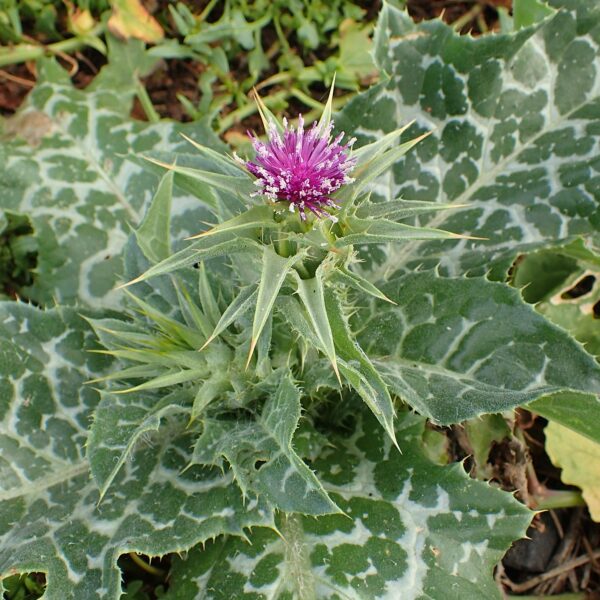
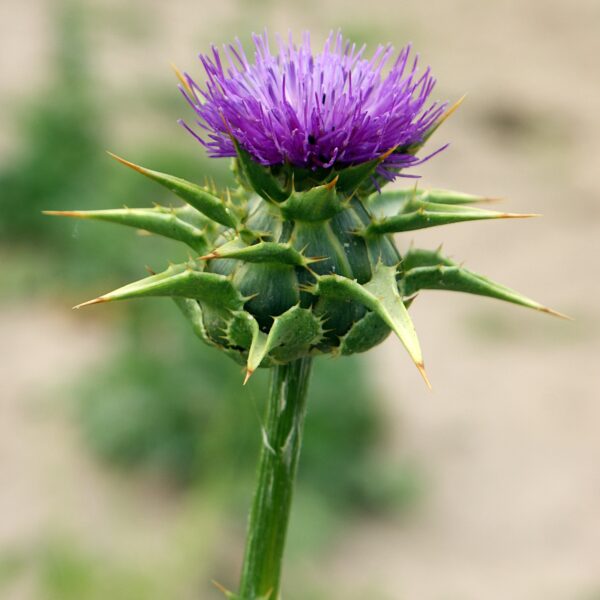
    Milk Thistle Sprout Milk Thistle Flower Head

    Milk Thistle

    Silybum marianum

    Other Plants in the asteraceae family

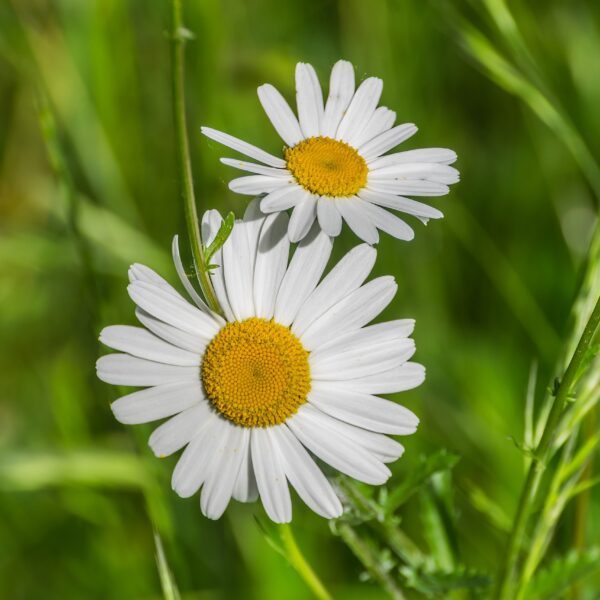
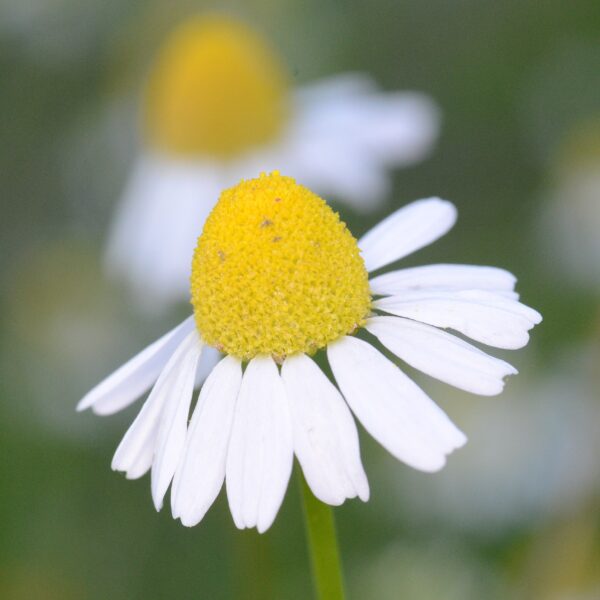
    Chamomile

    Matricaria recutita

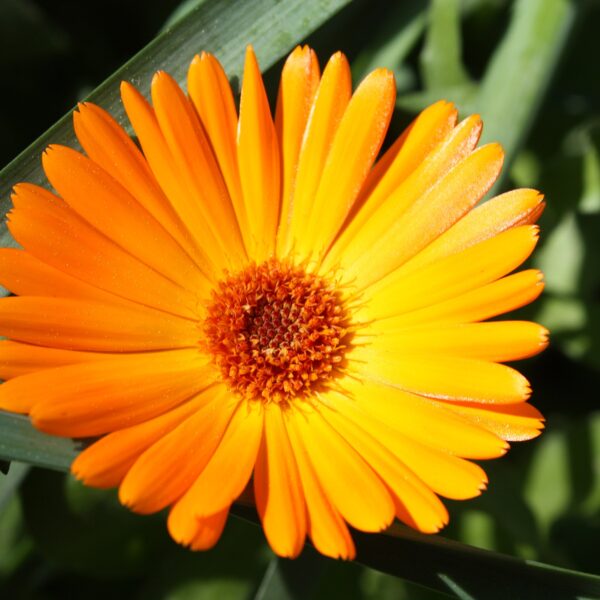
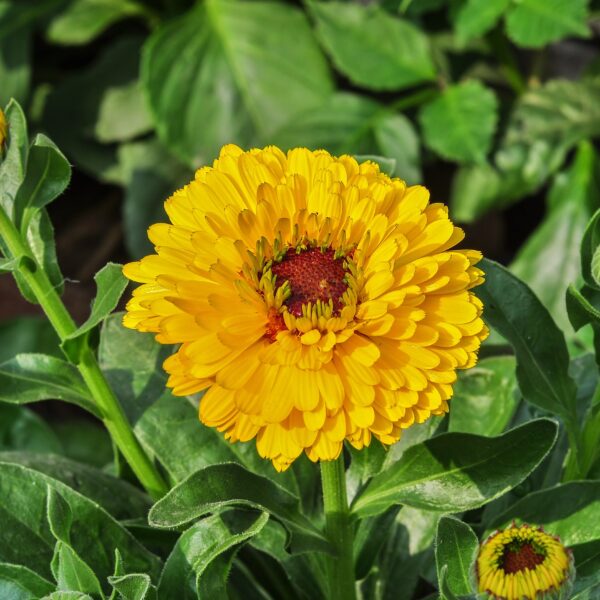
    Calendula

    Calendula officinalis

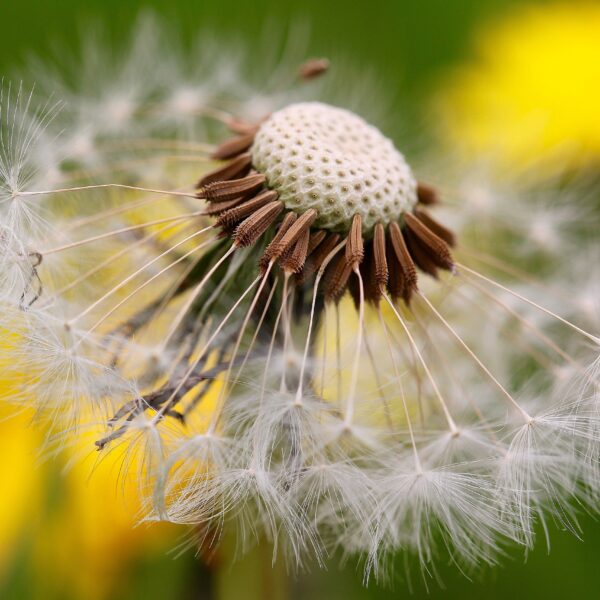
    dandelion-taraxacum-officinale-plant dandelion-taraxacum-officinale-seeds

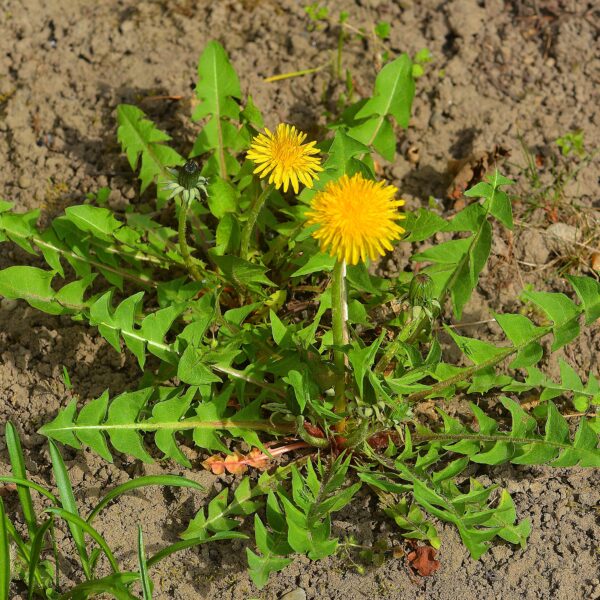
    Dandelion

    Taraxacum officinale

    How to Identify Artichoke

    Botanical Illustration
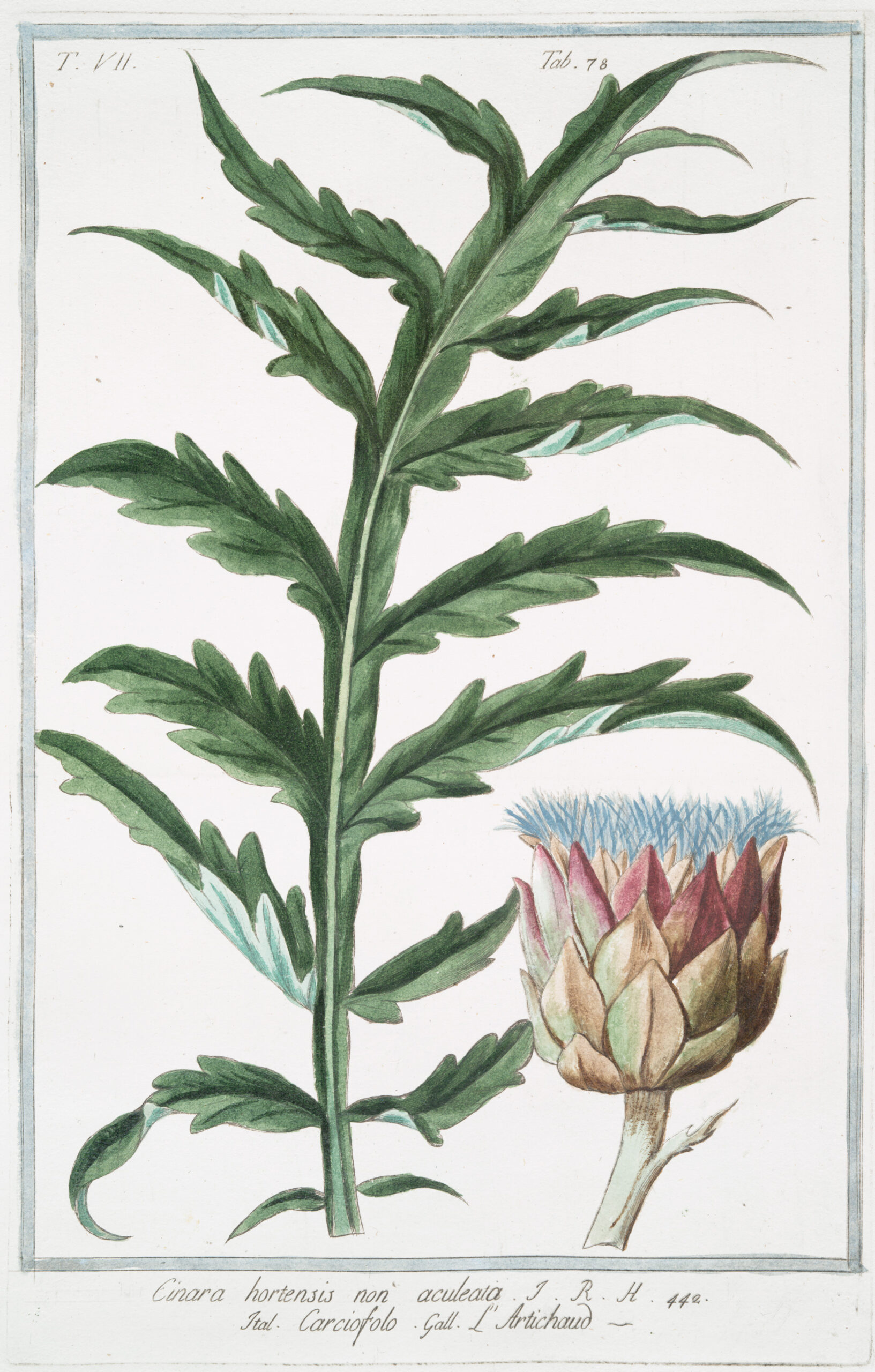
    Scientific Botanical Latin Name

    Cynara scolymus

    Asteraceae (Daisy/Sunflower family)

    Taxonomy & Classification

    Family

    Asteraceae

    Genus

    Cynara

    Species

    scolymus

    Synonyms

    • Carduus cardunculus (L.) Baill.
    • Carduus cynara E.H.L.Krause
    • Carduus scolymus Baill.
    • Cnicus communis Lam.
    • Cynara cardunculus var. altilis DC.
    • Cynara cardunculus var. cardunculus
    • Cynara cardunculus subsp. cardunculus
    • Cynara cardunculus var. elata Cavara
    • Cynara cardunculus var. ferocissima Lowe
    • Cynara cardunculus var. inermis DC.
    • Cynara cardunculus var. scolymus (L.) Benth.
    • Cynara cardunculus var. sylvestris (Lam.) Fiori
    • Cynara corsica Viv.
    • Cynara ferox Ten. ex Steud.
    • Cynara horrida Aiton
    • Cynara spinosissima J.Presl & C.Presl
    • Cynara sylvestris Lam.
    Synonym Source

    Physical Description

    Plant Type

    Herbs
    Vegetables

    Height

    Up to about 2ft (0m)

    Width

    30

    Leaf Color

    Light Green

    Leaf Description

    long straggly

    Leaf Size

    30

    Flower Description

    Straight spikes of thin flower needles similar to a Milk Thistle flower

    Flower Color

    Pink, Magenta. Purple

    Seeds

    small round bean-like seeds located on dry flower head

    Other Identifiers

    Artichoke is a small description where the thing does the stuff

    View More

    Common Questions About Artichoke

    What is the benefit of eating artichokes?

    Eating artichoke is beneficial to your blood and kidney optimization.

    Why artichokes are good for you?

    Not only are artichokes a nutritional vegetable, it provides additional medicinal benefits in many ways.

    What are health benefits of artichokes?

    May improve your liver health and lower blood sugar. [efn_note]The first iteration of the trust fund sadfhashgdgds Insert your note here.[/efn_note]

    Additional Resources & Information

    Featured Sources:

    • Encyclopedia of Herbal Medicine: 550 Herbs and Remedies for Common Ailments

      Andrew Chevallier

    • The Modern Herbal Dispensatory: A Medicine-Making Guide

      Steven Horne

      Thomas Easley


    All Source Citation References

    1. Chevallier, A. (2016 July). Encyclopedia of Herbal Medicine: 550 Herbs and Remedies for Common Ailments (3rd ed., pp. 13, 137, 199). DK.
    2. Horne, S. & Easley, T. (2016 November). The Modern Herbal Dispensatory: A Medicine-Making Guide (pp. 177-178). North Atlantic Books.
    3. USDA U.S. Department of Agriculture. (2019 April). Artichokes, (globe or french), raw. USDA U.S. Department of Agriculture. https://fdc.nal.usda.gov/fdc-app.html#/food-details/169205/nutrients
    4. World Flora Online. (2022 December). Cynara cardunculus L.. World Flora Online. http://www.worldfloraonline.org/taxon/wfo-0000013358#synonyms
    5. Li, J., Sun, C. Y., Yan, P. Z., Yang, L. L. & Zhao, D. S. (2022 December). Mechanisms of Cynarine for treatment of non-alcoholic fatty liver disease based on the integration of network pharmacology, molecular docking and cell experiment. Hereditas: Bio Med Central. https://hereditasjournal.biomedcentral.com/articles/10.1186/s41065-022-00256-7
    Gallery
    Health
    Effects
    Uses
    Nutrition
    Chemicals
    Garden
    FAQ
    Sources

    About Us

    • Learn more about us
    • Our Mission

    Categories

    • Herbs
    • Vegetables

    Legal

    • Terms of Use
    • Disclaimer
    • Privacy Policy

    Subscribe

    stay updated on new plants and mushrooms added

    Subscribe
    Disclaimer

    This website does not provide medical advice. The information on this site, including text, graphics, images, and other material, is for informational purposes only and is not intended to be a substitute for professional medical advice, diagnosis, or treatment. Always seek the advice of your physician or other qualified healthcare provider with any questions you have regarding a medical condition or treatment, and before undertaking a new health care regimen. Do not disregard professional medical advice or delay seeking it because of something you have read on this website.


    Learn More

    © Copyright 2026 · Herbal Plant Guide · All Rights Reserved